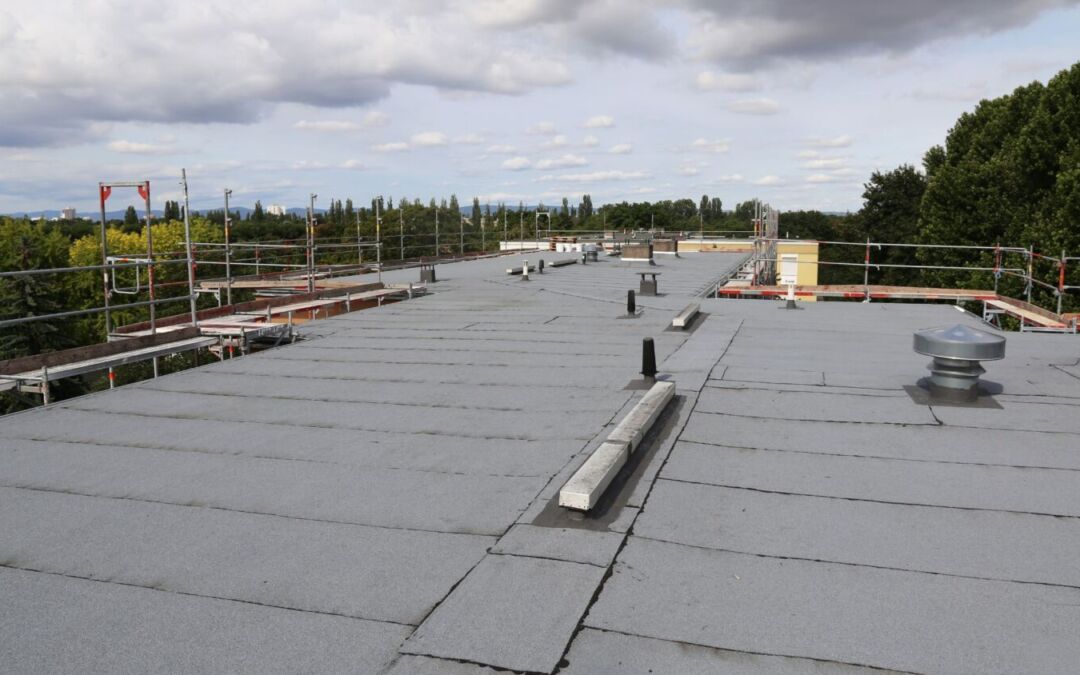
When it comes to roofing options, flat roofs have become increasingly popular for both residential and commercial buildings. While their sleek and modern appearance is appealing, it’s essential to weigh the pros and cons before deciding if a flat roof is the right choice for your property. Let’s explore the advantages and disadvantages of flat roofing to help you make an informed decision.
Pros of Flat Roofing
Cost-Effective Installation
Flat roofs are generally more cost-effective to install compared to traditional pitched roofs. The simplified design and reduced materials make them an attractive option for those on a budget.
Usable Space
Flat roofs provide an additional usable space, especially in urban environments where outdoor space is limited. This area can be transformed into a rooftop garden, patio, or even a space for solar panels.
Easy Maintenance
Maintenance and repairs on flat roofs are often more straightforward than on sloped roofs. Technicians can easily access and inspect the entire surface, making it easier to identify and address any issues.
Energy Efficiency
Flat roofs offer the opportunity to install reflect coatings or incorporate insulation more effectively, enhancing energy efficiency and reducing heating and cooling costs.
Modern Aesthetics
Flat roofs have a modern and minimalist aesthetic that complements contemporary architectural designs. They contribute to a sleek and stylish appearance, making them a popular choice for modern homes and commercial buildings.
Quick Construction
The installation of flat roofs is typically faster than the construction of pitched roofs, saving both time and labour costs during the building process.
Cons of Flat Roofing
Drainage Issues
One of the primary challenges with flat roofs is drainage. Without a slope, water may accumulate leading to leaks, ponding, and potential structural damage. Proper drainage systems and regular maintenance are crucial to mitigate this risk.
Susceptibility to Leaks
Flat roofs are more prone to leaks than pitched roofs, mainly due to the absence of natural water runoff. Proper sealing, waterproofing and regular inspections are essential to prevent water infiltration.
Limited Insulation Space
The limited space between the roof deck and the ceiling can make it challenging to install adequate installation, potentially leading to energy inefficiency and temperature regulation issues.
Shorter Lifespan
Flat roofs may have a shorter lifespan compared to pitched roofs. Exposure to harsh weather conditions, UV radiation, and pooling water can contribute to premature deterioration, requiring more frequent repairs or replacements.
Weight Restrictions
Flat roofs may have weight restrictions, limiting the ability to install heavy equipment or structure on the roof. This consideration is crucial for those considering rooftop gardens or additional structures.
Choosing the right roofing system for your property involves careful consideration of various factors. It is important to choose a specialist roofing company such as us for flat roofing. We can make sure issues such as ponding, cracking, blistering and movement are avoided. Get in touch with us today!

